Address:
Telford, Donnington, TF2
Work Hours
Monday to Friday: 9AM - 5PM
Saturday: 9AM - 1PM
Phone number:
+44783864567
Address:
Telford, Donnington, TF2
Work Hours
Monday to Friday: 9AM - 5PM
Saturday: 9AM - 1PM
Phone number:
+44783864567

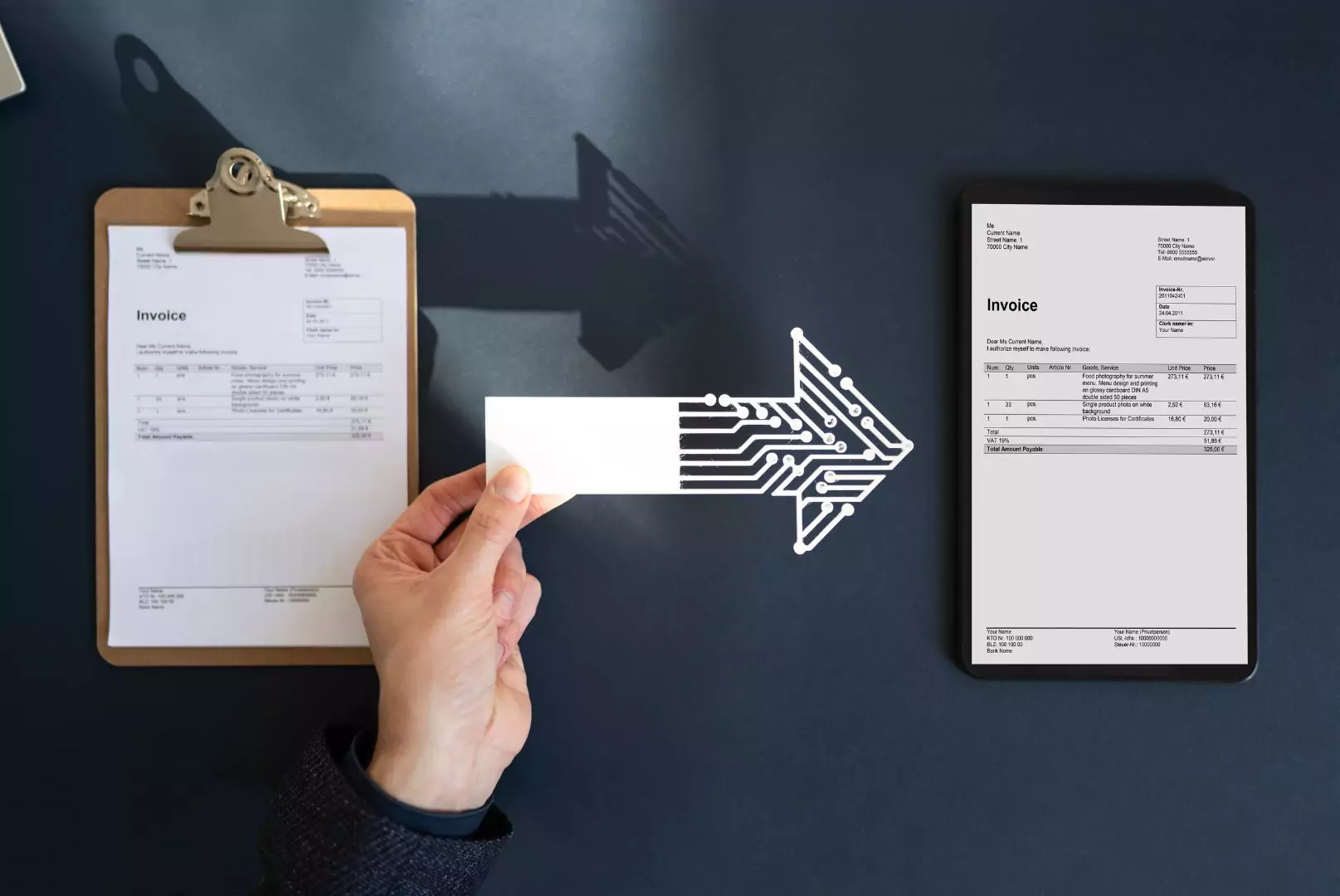
If you run a business in the UK, issuing invoices is part of everyday life. Sometimes, however, an invoice needs changing: a discount was missed, a calculation is wrong, goods have been returned or the customer has agreed a different price.
The right correction depends on what has changed and whether the invoice has already been issued or included in a VAT return. This guide explains credit notes, debit notes and revised invoices, and how to keep a clear accounting trail.

An invoice records a charge for goods or services and tells the customer what they owe. It should clearly identify the supplier, customer, supply and amount due.
A normal invoice needs a unique identification number, the supplier’s name, address and contact details, the customer’s name and address, a description of the goods or services, the supply date, invoice date, amounts charged, VAT where applicable and the total due.
Sole traders must include their own name and any trading name used. A limited company must use its full registered name. Payment terms and bank details help the customer pay correctly, but they do not replace the required invoice information. See the official invoice requirements.
A VAT invoice has additional requirements, including the supplier’s VAT registration number and the appropriate VAT breakdown. Only VAT-registered businesses should charge VAT. The standard rate is usually 20%, but reduced rates, zero rating and exemptions can apply.
Agree a payment deadline with the customer. Where no date has been agreed, the statutory rules generally make payment late after 30 days from the later of receiving the invoice or receiving the goods or service. See payment obligations.

A correction should explain what changed and refer back to the original document. Do not silently delete or overwrite an invoice that has already been sent or posted to the accounts.
| Situation | Usual approach |
|---|---|
| The amount charged needs to decrease. | Issue a credit note. |
| The agreed charge needs to increase. | Issue an appropriate supplementary invoice or valid supplier debit note. |
| A draft contains an error and has not been issued. | Correct the draft while preserving any audit trail required by the accounting system. |
| An issued invoice must be replaced. | Use a documented cancellation or credit and replacement process; clearly identify the documents involved. |
A customer paying less than the invoice amount does not, by itself, mean you should issue a debit note. If the original invoice is correct and the price has not changed, the remaining amount is usually still a debt to collect.
A credit note reduces all or part of an earlier charge. It is commonly used when goods are returned, a discount is agreed after invoicing, a service is only partly supplied or the original price or VAT was overstated.
For example, if an invoice charged £500 plus £100 VAT and the parties agree a £100 reduction in the net price, the credit would normally be £100 plus £20 VAT where the original supply was standard-rated. The customer then owes £480 rather than £600, or receives the appropriate refund or account credit if the original amount was already paid.
Clearly label the document as a credit note and give it its own identifying number and issue date. Link it to the original invoice and explain the reason for the adjustment.
Include the supplier and customer details, a clear description of the items being credited, quantities where relevant, and the net, VAT and gross adjustment. Use the VAT treatment applicable to the original supply, rather than automatically applying the rate in force when the correction is made.
Keep a copy and send the document to the customer so both parties can update their records. A valid VAT credit must represent a genuine reduction or refund entitlement. HMRC’s rules also contain timing conditions, so document when the reduction was agreed and when any refund was made.
For an invoice correction, show clearly what was wrong and the corrected figures. A credit note should not simply be used to make an unpaid but otherwise valid invoice disappear; bad debt relief has separate conditions.

A supplier debit note can record an increase in the value of a supply, for example where there was a genuine undercharge or the customer has agreed an additional amount. A supplementary invoice is another common way to document an undercharge.
For VAT purposes, a supplier debit note needs the required identifying, supplier, customer, original invoice and adjustment details. A document’s title alone does not determine its validity. Keep evidence of the reason and agreement, and check the applicable time limits.
A buyer may also use the term debit note for a document sent to a supplier to request a credit, for example after receiving damaged goods or being overcharged. It is a request for the supplier to consider and document the adjustment, rather than automatic evidence that the buyer owes more.
Do not assume that a customer’s internal debit note is enough on its own to change the supplier’s VAT records. The supplier should review the issue and provide an appropriate credit or other valid adjustment document.
Where the price is genuinely being increased, the supplier should issue the appropriate document and make the additional amount and VAT clear. A valid supplier debit note can be used for VAT purposes; it is not correct to say that HMRC never recognises debit notes.
For a straightforward invoicing error, a supplementary invoice referring to the original invoice can be easier for both parties to follow. Check the relevant guidance in VAT Notice 700, including the sections on credits, debit notes and invoice errors.

If you catch an error while the document is still a draft, correct it before sending it. If the accounting system has already assigned a number or posted an entry, follow its cancellation or correction process and retain the history.
For an invoice already issued, simply replacing the file can leave the customer and supplier holding different versions of the same transaction. Depending on the error, it may be appropriate to credit the original and issue a new invoice, or to provide a clearly linked correction or supplementary invoice.
Identify which document is replaced, why it changed and whether the old amount has been cancelled or credited. Make sure the system does not count both the old and replacement invoices as separate sales. Do not reuse a cancelled number in a way that hides what happened.
For example, if an issued £600 invoice is fully credited and replaced with a correct £540 invoice, the accounting trail should show the £600 original, the £600 credit and the £540 replacement. The resulting charge is £540, rather than the total of both invoices.
Credit notes, supplementary invoices and valid debit notes are accounting documents. Their effect needs to flow through the sales or purchase records and the VAT account, with supporting evidence retained.
A later commercial price adjustment is different from discovering an error in a VAT return already submitted. Correcting the customer-facing invoice does not necessarily correct that earlier return. The appropriate VAT error correction procedure depends on the amount, the period and the circumstances.
If a submitted return is affected, check HMRC’s VAT return correction guidance or ask your accountant before making an adjustment. Keep the original invoice, correction, correspondence and evidence of any refund together.
VAT records generally need to be retained for at least six years, with longer periods applying in certain cases. A reliable audit trail makes it much easier to explain the transaction if HMRC asks about it.
Use a credit note when an agreed charge decreases, an appropriate supplementary invoice or supplier debit note when it increases, and a documented replacement process when an invoice needs to be reissued. First establish whether the original invoice was wrong or the customer has simply not paid it in full.
If you are unsure which document to use or how it affects your VAT return, contact Falcon Accountancy. We can help you correct the records and keep your invoicing consistent.
